People choose sofa fabric the way they choose a shirt — by how it looks and feels for the eight seconds they touch it in a shop. Then they put it in a room where three people, two children and a dog use it for four hours every evening.
Here is how to choose fabric that still looks acceptable in year five.
Rub counts: the one number worth asking for
The Martindale test rubs a fabric with abrasive wool until it shows wear. The resulting cycle count is the clearest durability signal you can get.
| Rub count | Rating | Suitable for |
|---|---|---|
| Under 15,000 | Light domestic | Decorative chairs, headboards |
| 15,000 – 25,000 | General domestic | Guest rooms, formal seating |
| 25,000 – 40,000 | Heavy domestic | Main family sofa |
| 40,000+ | Commercial | Pets, children, offices, rentals |
Ask for it. A supplier who cannot tell you the rub count of a fabric is telling you something else.
Weave tightness matters as much as the number
Two fabrics can have the same rub count and behave completely differently. A tight, flat weave resists snagging; an open boucé or a loose linen catches on claws, zips, watch straps and cane furniture.
Run your fingernail across the sample in the showroom. If the yarn lifts, a cat will lift it too. If it feels smooth and dense, it will survive.
Pile fabrics like velvet and chenille sit in the middle: durable, but they show pressure marks and need occasional brushing to lift the pile back up.
The fabric families, honestly described
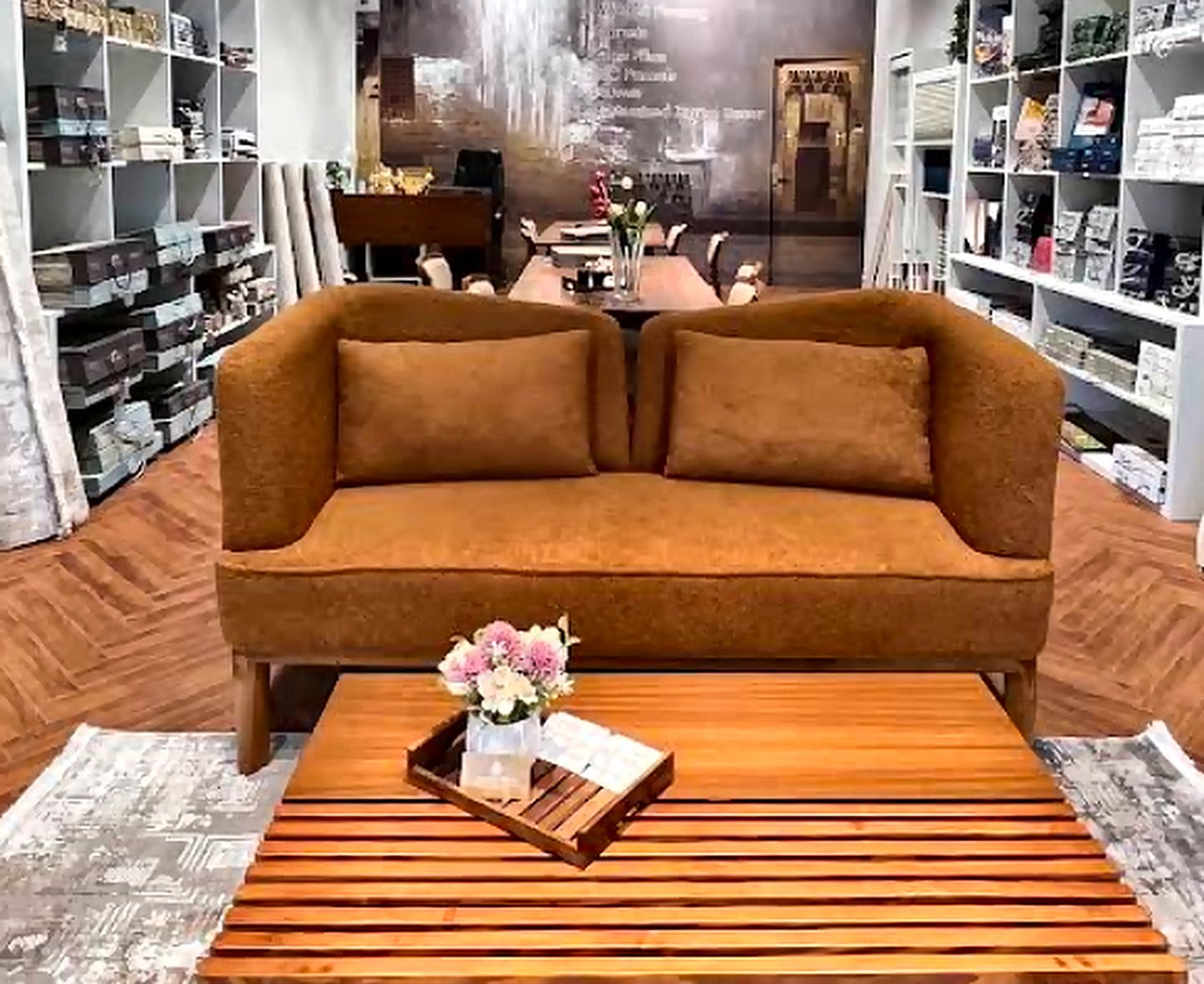
- Chenille — soft, warm, forgiving with dust, hides minor stains. The most popular family sold in Mumbai for good reason.
- Velvet — luxurious and surprisingly tough in polyester form. Shows sit-marks; brush them out.
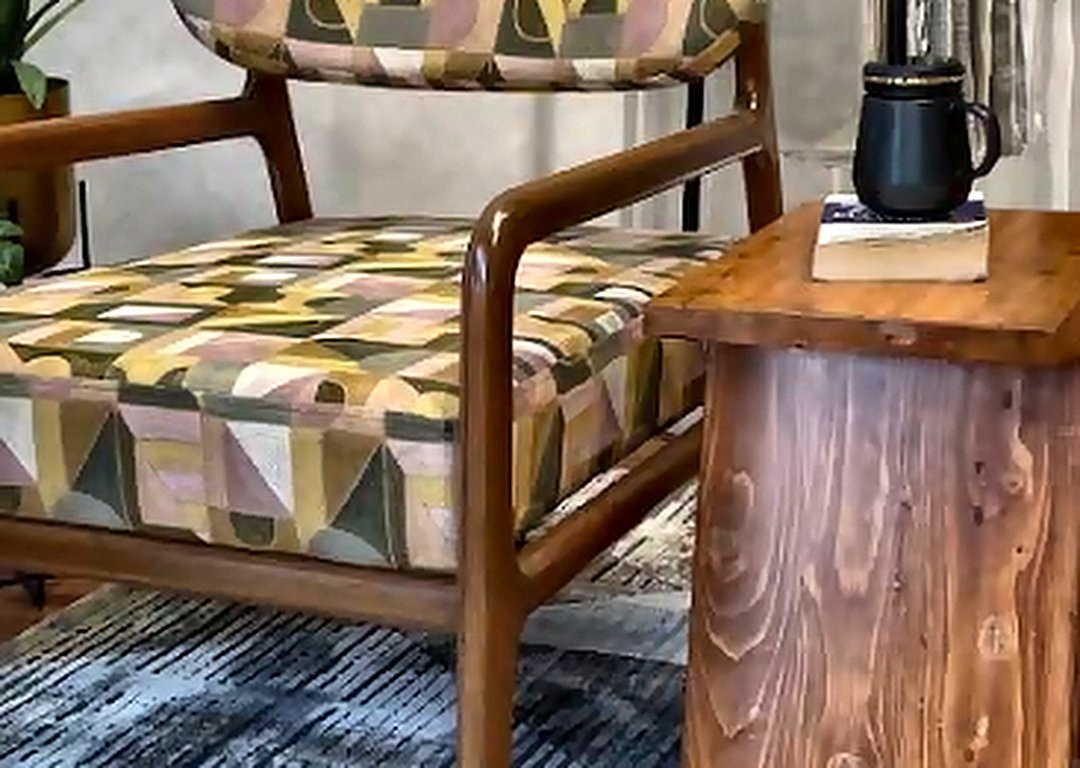
- Jacquard — patterns woven rather than printed, so the design does not wear off. Slightly formal.
- Cotton canvas — breathable and matte, but it stains easily and creases. Best for low-use rooms.
- Performance weave — tightly engineered synthetics rated 40,000+ rubs, often stain-resistant. The sensible pet-and-toddler answer.
- Leatherette — wipe-clean and cool to touch. Choose a quality grade; cheap PU peels in three years.
- Boucé — beautiful texture, terrible with claws. Use it on an accent chair, not a family sofa.
Pets, children and the real world
If you have a cat, the fabric decision is already made: tight flat weave, or leatherette. Nothing else survives.
With dogs, the enemy is hair and oil rather than claws — choose a mid-tone textured weave that hides hair, and add a washable throw over the favourite spot.
With small children, plan for spills. Ask specifically about stain-resistant finishes, and prefer removable, zipped cushion covers so one accident does not mean re-covering the whole sofa.
Colour and pattern that age well
Very pale sofas photograph beautifully and last about eight months in an Indian household. Very dark sofas show every speck of lint and dust.
The safest range is mid-tone with visible texture: caramel, taupe, warm grey, olive, muted teal, terracotta. Texture scatters light, which hides both marks and hair better than any flat colour.
If your walls are papered or patterned — see our wall coverings page — keep the sofa plain. Two patterns in the same sightline rarely work unless they share a colour and differ in scale.
Do not re-cover over dead foam
New fabric over collapsed foam looks wrong immediately and wastes the fabric. Check three things before ordering:
- Press the seat. If your hand sinks more than about an inch and a half with little push-back, the foam is finished.
- Sit and listen. Creaking usually means the webbing or springs have gone.
- Look at the frame corners. Loose joints can be re-glued and screwed cheaply while the cover is off — the only time it is easy.
Foam density of 32 to 40 is the practical range for seats; anything lower flattens within a year. Backs can be softer.
How much fabric will you need?
Rough guide for 54-inch upholstery fabric:
- Single armchair: 4–6 metres
- 2-seater: 9–12 metres
- 3-seater: 12–16 metres
- 3+2 set: 20–28 metres
- L-shaped sofa: 22–32 metres
Add 10 to 15 per cent for a large pattern repeat that needs matching across cushions. Full price ranges are on our upholstery page.
Care that actually extends the life
- Vacuum weekly with a brush head, including under the cushions.
- Rotate and flip reversible cushions monthly so wear spreads evenly.
- Blot spills immediately — never rub, which pushes the stain into the weave.
- Keep the sofa out of direct afternoon sun, or line the curtains behind it.
- Professional deep clean every 18 to 24 months.
Bring a photo of your sofa and its measurements. We will tell you the metres required, show fabrics in the right rub-count bracket, and quote fabric and labour separately so nothing is hidden.