The usual advice — “wallpaper is expensive, paint is cheap” — is true only for the first year and only for large plain areas. Once you compare like for like, the answer changes depending on how big the wall is and what you want it to do.
Cost per square foot, done properly
| Finish | Material | Applied cost | Lasts |
|---|---|---|---|
| Emulsion paint (economy) | ₹8 – ₹15 / sq ft | ₹18 – ₹30 / sq ft | 3–4 years |
| Premium washable paint | ₹18 – ₹35 / sq ft | ₹35 – ₹60 / sq ft | 5–7 years |
| Textured paint finish | ₹40 – ₹90 / sq ft | ₹70 – ₹160 / sq ft | 6–8 years |
| Indian wallpaper | ₹25 – ₹45 / sq ft | ₹40 – ₹70 / sq ft | 7–10 years |
| Imported wallpaper | ₹55 – ₹140 / sq ft | ₹75 – ₹170 / sq ft | 8–12 years |
| Custom mural | ₹80 – ₹200 / sq ft | ₹100 – ₹230 / sq ft | 7–10 years |
Read the fourth column before the third. Painting a room three times in ten years costs more than papering it once, and the papered wall looks better throughout.
Where each one clearly wins
Paint wins when you are covering an entire flat, when you change colours often, when the walls are in poor condition and will be repaired, and in bathrooms, kitchens near the hob and any wall with active damp.
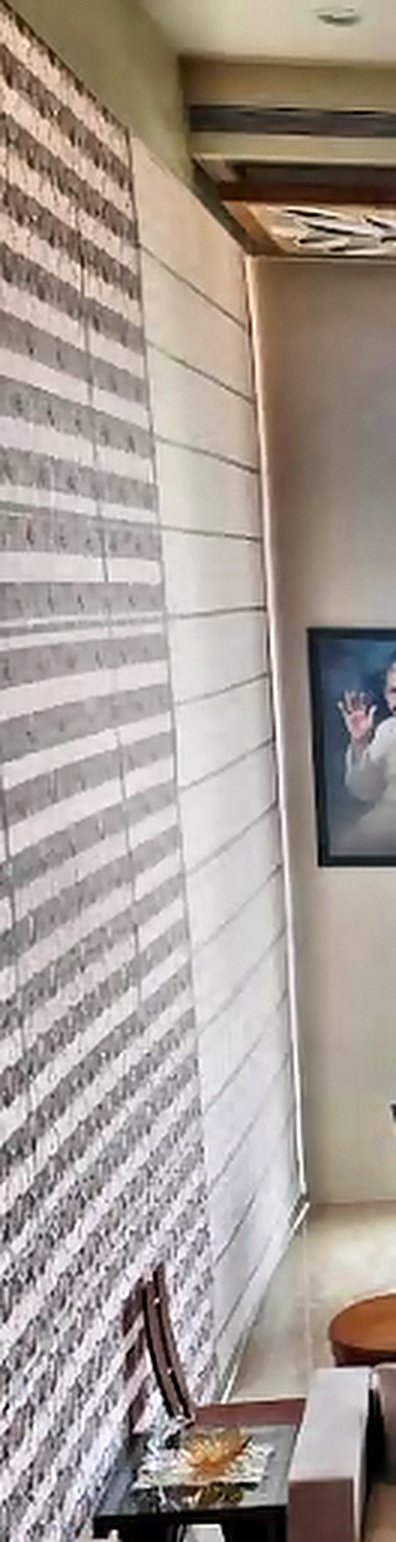
Wallpaper wins on feature walls, on television and headboard walls, wherever you want texture or pattern that paint physically cannot produce, and in rooms where you want the finish to look considered rather than plain.
Most homes we work with in Goregaon and Malad end up with painted walls throughout and one papered wall per main room. That combination gives the biggest visual change for the smallest spend.
The damp question — crucial in India
This decides more projects than aesthetics do. Wallpaper is not the problem; moisture behind it is. If the wall shares a boundary with the outside, sits below a bathroom, or has ever shown a tide mark after monsoon, paper will bubble and peel within a season.
The right order is: fix the source, let the wall dry fully, apply a damp-proof primer, then paper. If any of those steps is skipped, use a washable emulsion instead and revisit the idea next year.
We take a moisture reading before quoting any wallpaper installation, and we will decline a wall rather than paper it and watch it fail.
Time, mess and living through it
- Painting a 2 BHK: four to seven days, dust from sanding, furniture covered and moved, strong smell for a day or two.
- Papering one feature wall: one day, almost no dust, furniture pulled forward by two feet.
- Papering a full room: two to three days depending on wall condition and pattern repeat.
For anyone living in the flat during the work — most people — this difference matters more than the price.
Durability, cleaning and repair
Vinyl wallpapers are genuinely washable and resist scuffs in corridors far better than economy emulsion. Non-woven papers tolerate a damp cloth. Grasscloth and fabric coverings do not — vacuum only.
Repair is where paint wins: a scuff can be touched up in ten minutes, though colour matching after a few years of sun is never perfect. Damaged wallpaper needs a whole drop replaced, which is why we always leave you a spare roll from the same batch.
Rentals and resale
If you plan to rent the flat out, neutral paint is safer and cheaper to refresh between tenants. If you are selling, a well-chosen papered feature wall photographs beautifully and helps listings stand out — loud patterns do the opposite.
For rental refurbishments we usually recommend washable paint everywhere plus one durable vinyl paper in the living room. It survives tenants and still looks intentional.
How to decide in five minutes
- Is the wall damp? If yes, paint. Stop here.
- Do you want texture or pattern? If yes, wallpaper.
- Is it more than three walls? Paint the rest, paper one.
- Will you want a different colour within three years? Paint.
- Is it a TV or headboard wall? Wallpaper or panelling, almost always.
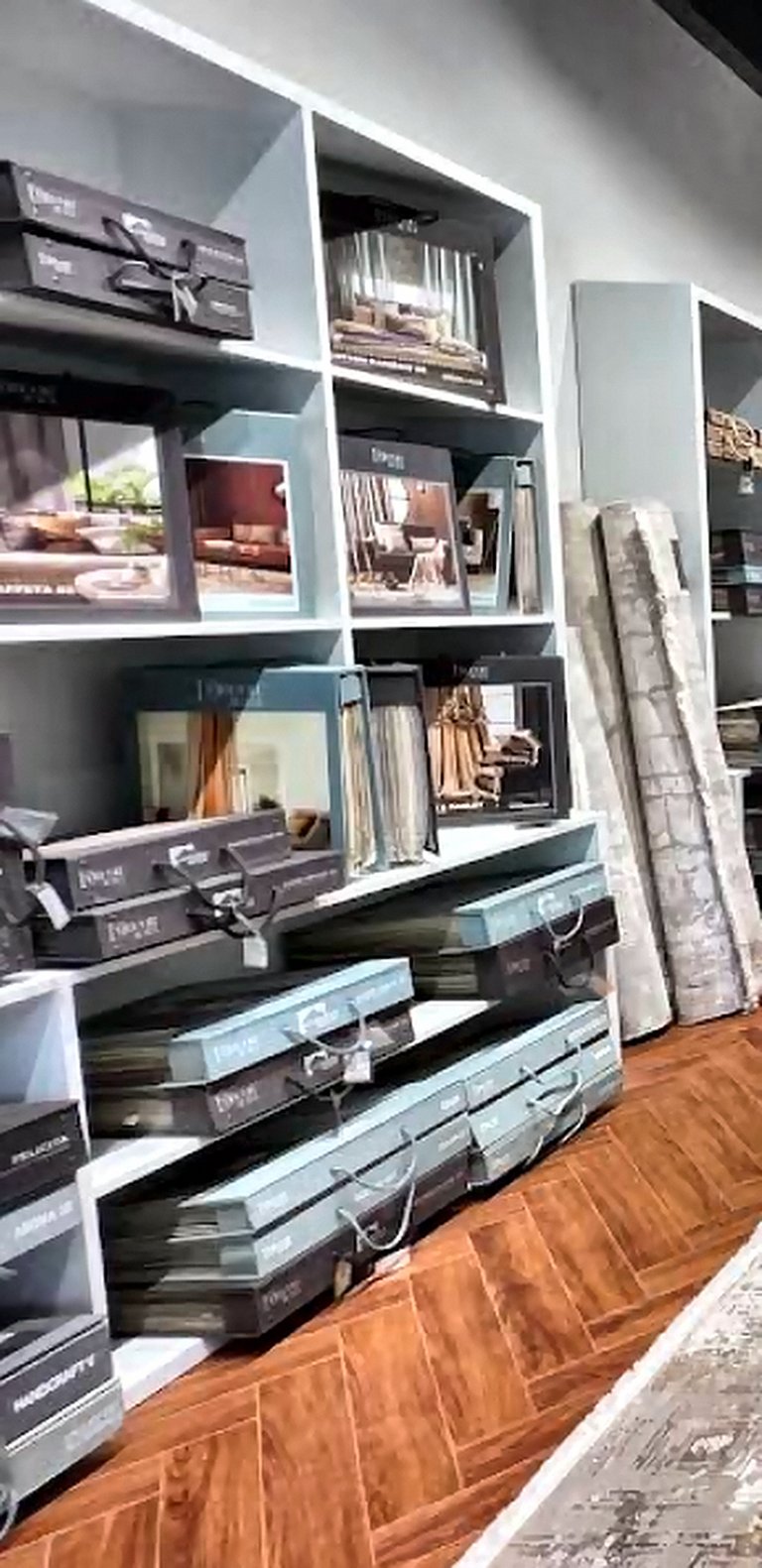
Samples of every option discussed here are in the showroom — see our wallpapers and wall coverings page.
Send a photo of the wall and its width and height. We will tell you how many rolls it needs, what installation would cost, and whether we think paint is the smarter choice for that particular wall.